Home › Asphalt Driveway Installation
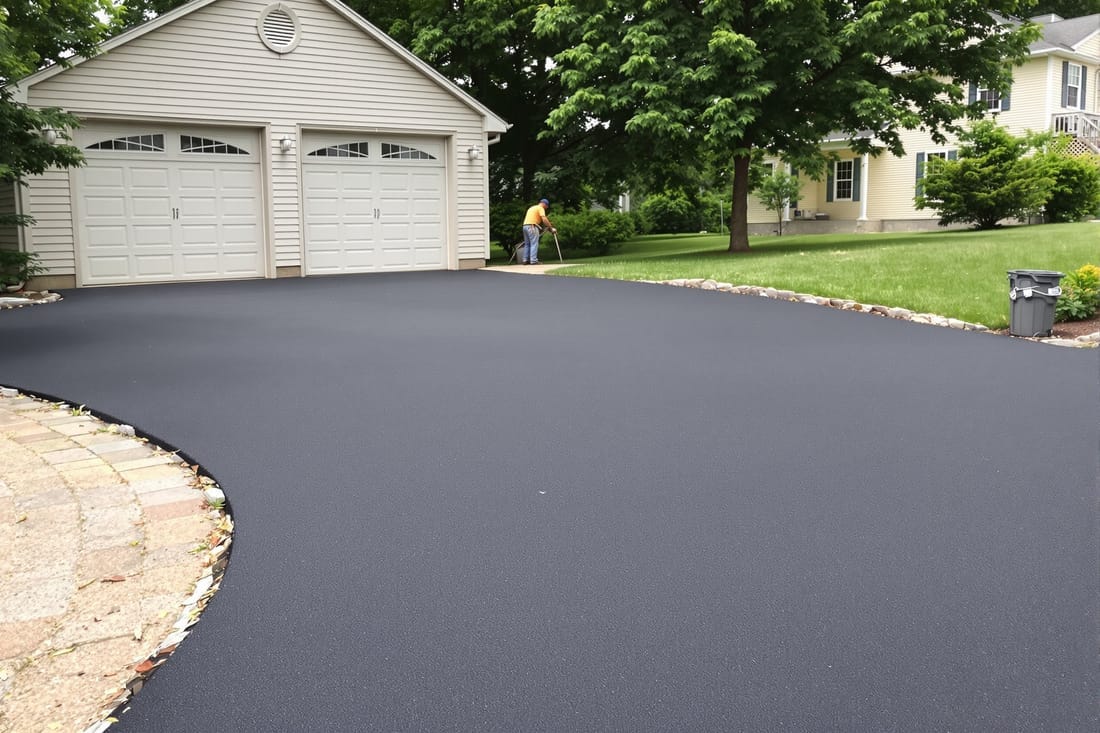
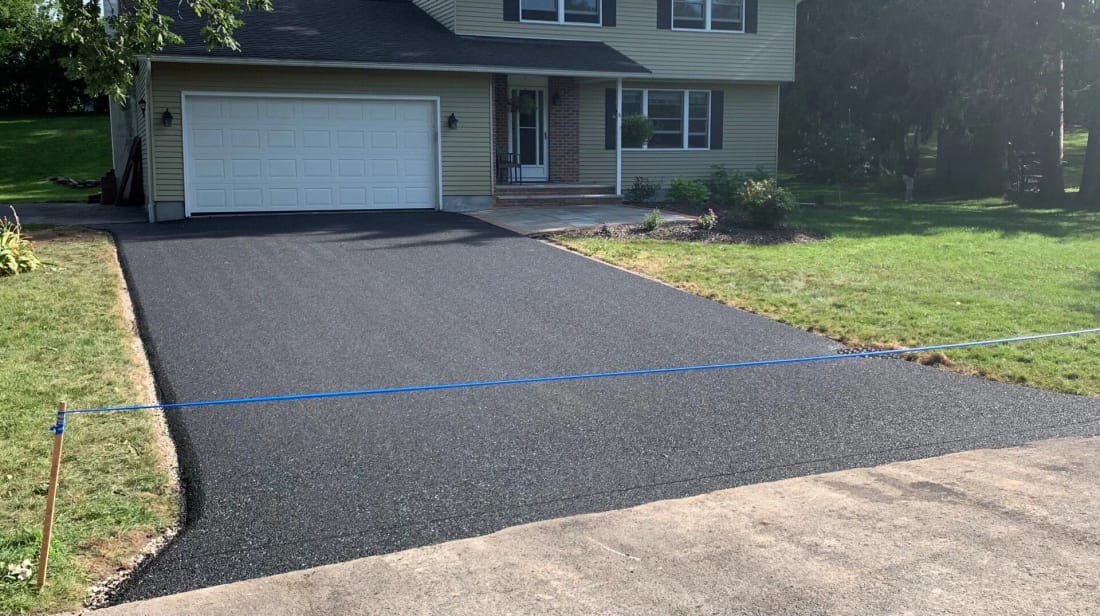
Get a smooth, long lasting asphalt driveway installation in Charlotte, NC from experienced paving pros. We handle everything from grading and drainage to compaction and clean edges. Enjoy better curb appeal, reliable parking, and a driveway built to stand up to Carolina weather.
Precision Asphalt Charlotte provides professional asphalt driveway installation throughout Charlotte, NC, North Carolina and the surrounding area. Our licensed, insured crew delivers safe, clean, on-time work with a free estimate before anything begins. Call (704) 387-3626 or request your free quote.
Asphalt Driveway Installation in Charlotte, NC
If you want an asphalt driveway that holds up to Charlotte traffic and weather, the process matters more than the sales pitch. At Precision Asphalt Charlotte, we focus on what is under and inside the pavement, not just how it looks on day one.
An asphalt driveway is a flexible pavement system built in layers: prepared subgrade, compacted stone base, and hot mix asphalt in one or more lifts. When each layer is designed for your soil, slope, and vehicle load, the driveway sheds water correctly and resists rutting and cracking. When shortcuts are taken, you start seeing puddles, soft spots, and raveling within a few seasons.
Our crews work in Charlotte and the surrounding Mecklenburg County area every day. We know the typical red clay, how fast water moves during summer storms, and what local trees and roots do to edges. That local experience directly shapes how we design and build each asphalt driveway installation, whether you have a tight city lot in Plaza Midwood or a long, curved drive in Ballantyne or Huntersville.
Site evaluation, layout, and preparation
Every asphalt driveway installation by Precision Asphalt Charlotte starts with a jobsite walk, not a guess from satellite photos. We check existing grading, drainage paths, soil firmness, access for equipment, and how close we are to structures, utilities, and tree roots.
We confirm driveway width and alignment based on real use. For a standard Charlotte home we often recommend 10 to 12 feet wide for a single drive, 20 to 24 feet at the garage, and wider flares where you back out into neighborhood streets. If you park work trucks, trailers, or heavy SUVs, we plan for thicker base and asphalt in those wheel paths.
Once layout is agreed, we strip sod and organic material and cut or fill to reach a stable subgrade. In many Charlotte yards the native red clay is fine once compacted properly, but low pockets or soft, silty areas need to be dug out and replaced with suitable fill. We use plate compactors and rollers to achieve a firm, uniform surface, since any soft spot in the subgrade will reflect through the pavement later as depressions or cracking.
We also address drainage at this stage. That can mean shaping the subgrade so water runs off the driveway instead of toward your garage, adding shallow swales, or tying into existing drainage solutions. We pay attention to how water actually moves during heavy summer downpours, not just how it looks on a drawing.
Base stone, asphalt mix, and thickness options
The stone base is what carries the load, so we spend time getting it right. A typical residential asphalt driveway installation in Charlotte uses 4 to 6 inches of compacted crushed stone (often a graded aggregate base) over firm soil. For steeper drives, low-lying sections that stay damp, or drives that see delivery trucks, we increase base thickness and may use larger stone at the bottom with finer stone on top for tighter compaction.
After base placement, we compact with vibratory rollers in multiple passes. We check for movement under foot and under the roller, and correct any pumping or shifting areas with more stone and compaction. A smooth, well bound stone base means your asphalt mat will lay level and dense.
For the asphalt itself, we typically install a residential surface with 2 to 3 inches of hot mix asphalt once compacted. Drives that get heavier loads or turning traffic near the garage may benefit from a two lift system, for example a 2 inch base course and a 1.5 inch surface course. We work with local plants around Charlotte to select mix designs that handle our freeze-thaw cycles, summer heat, and occasional de-icing chemicals without flushing or early cracking.
Edges matter too. Where the driveway meets lawn, we often recommend slightly thicker edge sections and a compacted shoulder of stone or soil to support the asphalt and reduce edge cracking from vehicles running off the side.
Installation day and how we control quality
On paving day, timing and temperature are critical. We schedule asphalt driveway installation so that trucks can run directly from the Charlotte area plant to your home without long waits, which keeps the mix at the correct temperature for proper compaction.
We start by fine grading and cleaning the stone base. Any loose material, mud, or standing water is removed. If needed, we apply a tack coat on existing asphalt tie-ins so the new layer bonds instead of simply sitting on top.
Hot mix asphalt is placed using a paver whenever access allows, which produces a more uniform mat than hand placement. For tight spots near garages, fences, or landscaping, our crew hand rakes and checks slopes with levels and straightedges. We pay attention to cross slope so water drains off the driveway but the surface is still comfortable to walk and park on.
Compaction is done immediately using steel drum rollers and plate compactors along edges and around structures. We follow a rolling pattern that locks in density without shoving or leaving roller marks. Joints where one paving pass meets another are heated and compacted to reduce visible seams and to prevent water intrusion.
Before we leave, we walk the driveway with you, point out joints, drainage flow, and any areas that will need extra care while curing, such as tight turning zones or slopes.
Costs, lifespan, and common Charlotte driveway issues
Homeowners usually ask what drives the cost of an asphalt driveway installation. The main factors are total square footage, amount of excavation and grading, base depth and type, asphalt thickness, access for equipment, and any tie-ins or drainage work. A long uphill drive in south Charlotte that needs significant cut and fill will cost more per foot than a short, flat replacement in a subdivision, even if the finished surface area is similar.
We give line item estimates so you can see what you are paying for, such as removing an old concrete or asphalt drive, installing additional base in soft areas, or adding drainage improvements. If you are comparing quotes, pay attention to specified base and asphalt thicknesses and how many compaction passes are included, not just total price. Thin sections are cheaper up front but usually cost more in repairs later.
In the Charlotte climate, a well built asphalt driveway should last 15 to 25 years with proper maintenance. Common local issues include hairline cracks from tree roots, edge cracking where vehicles run off unsupported sides, and ruts or depressions where water pools after storms. We reduce these risks with controlled tree root clearing, supported edges, and grading that keeps water moving.
For existing driveways that are failing, we will tell you honestly if a simple overlay is not worth it and a full tear out and rebuild is the better long term choice. Many older drives in the area were built directly on minimally compacted soil, which is why you may see large alligator cracked patches and sunken tire tracks. In those cases, installing new asphalt over the top would only hide the problem for a short time.
What to expect before and after installation
When you hire Precision Asphalt Charlotte, you deal with a straightforward process. We schedule a site visit, discuss how you use your driveway, measure and mark the layout, then provide a written proposal that spells out layer thicknesses, materials, and any drainage or removal work.
Before work starts, we ask you to clear vehicles and personal items from the work area, mark any invisible dog fences or irrigation, and let neighbors know that trucks and equipment will be present. We typically complete most residential asphalt driveway installations in one to two days depending on site conditions and weather.
After paving, you can usually walk on the driveway within a few hours. For vehicles, we often recommend waiting 24 to 48 hours in moderate weather, longer during very hot spells when the surface stays soft longer. We advise against parking heavy vehicles or turning steering wheels while stationary in the same spot for the first couple of weeks, especially on new asphalt in direct sun.
We review basic maintenance with you, such as keeping edges supported, avoiding sharp objects or power steering scuffs, and planning for eventual sealcoating once the asphalt has properly cured. If you notice anything unusual as the driveway settles through its first season, such as water ponding or unexpected soft spots, we encourage you to call so we can address it while it is still easy to correct.