Home › Commercial Asphalt Resurfacing & Overlays
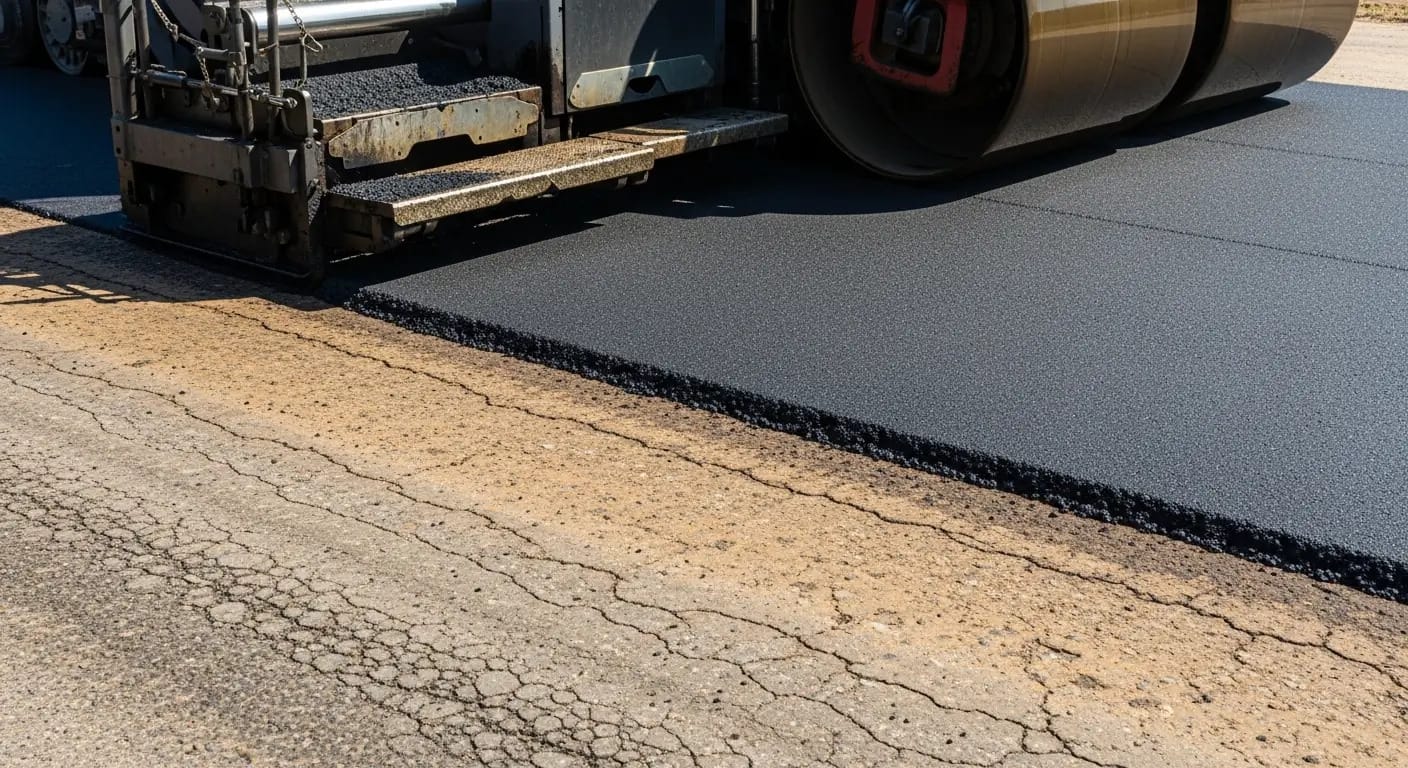
Boost safety and appearance with commercial asphalt resurfacing in Charlotte, NC. We mill or repair problem areas, then install overlays that renew worn parking lots and drives. This approach saves time and money compared to full reconstruction while delivering a fresh, even blacktop surface.
Precision Asphalt Charlotte provides professional commercial asphalt resurfacing throughout Charlotte, NC, North Carolina and the surrounding area. Our licensed, insured crew delivers safe, clean, on-time work with a free estimate before anything begins. Call (704) 387-3626 or request your free quote.
Commercial Asphalt Resurfacing & Overlays in Charlotte, NC
Commercial asphalt resurfacing and overlays are about restoring the strength and look of your pavement without tearing everything out. For property managers and owners in Charlotte, this usually means putting a new asphalt layer over a worn but still structurally sound parking lot, driveway, or private roadway. Precision Asphalt Charlotte focuses on extending pavement life 8 to 15 years, not just making it look black again.
On a commercial property, resurfacing is a good fit when the base is stable, but the top layer shows alligator cracking, ruts in drive lanes, or faded and rough surfaces that cause pooling water. If your lot has frequent potholes, but they keep coming back after patching, or if your tenants complain about tripping or cart wheels catching, resurfacing is often the point where ongoing patch work becomes more expensive than a proper overlay.
In the Charlotte area, timing matters. We plan most commercial asphalt resurfacing between late spring and early fall when temperatures help the new asphalt bond correctly. We also look at property use. For retail centers, we often phase work so businesses stay open, resurfacing in sections overnight or on low traffic days. For industrial yards, we coordinate around deliveries and truck schedules so the new surface has enough time to cool and harden before heavy use.
How Our Commercial Asphalt Resurfacing Process Works
Precision Asphalt Charlotte follows a consistent, step by step process so you know exactly what will happen on your property and when.
1. Site visit and core evaluation. We walk your lot, mark problem areas, and often recommend core tests or small test cuts on older pavements. This shows how thick your existing asphalt is and how strong the stone base is underneath. If the base is pumping water or the asphalt is extremely thin, we will tell you if a full removal is safer than an overlay.
2. Milling and profile correction. Before placing a new layer, we typically mill off 1 to 2 inches of the old surface, especially near curb lines, storm drains, and building entrances. This controls finished elevations so the resurfaced lot does not rise above curbs, cause trip hazards at sidewalks, or send water toward doors. In drive lanes with ruts from truck traffic, we may perform deeper targeted milling to reestablish a smooth profile.
3. Structural repairs and patching. We cut out any failed areas that move under traffic or show deep alligator cracking. These spots are removed to the base, the stone base is repaired or compacted, and new asphalt is placed and compacted flush with the milled surface. This stops old failure zones from reflecting through the new overlay in a year or two.
4. Tack coat application. We apply a liquid tack coat between old and new asphalt so the layers bond into one system. Skipping tack is one of the fastest ways to get slippage cracks and delamination, which is why our crews treat this step as non negotiable.
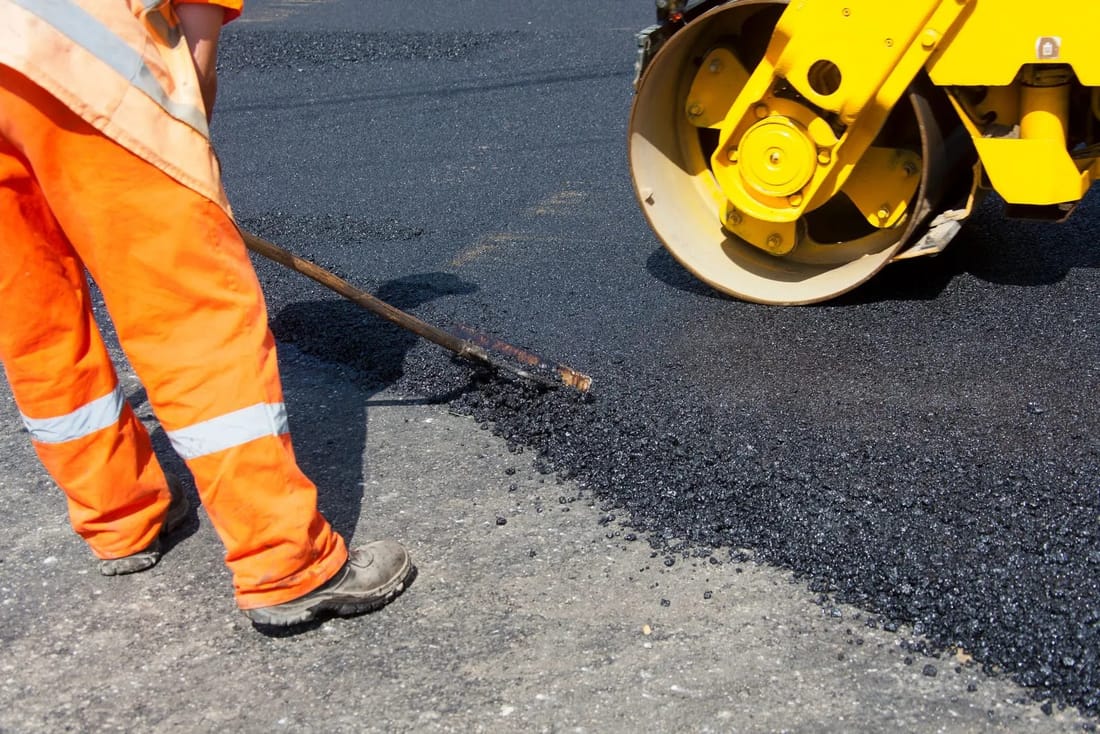
5. Placing and compacting the new lift. For commercial resurfacing in Charlotte, we commonly install a 1.5 to 2 inch overlay using a hot mix asphalt designed for local DOT and commercial use. We use a paver for consistent thickness, followed by multiple rollers at the correct temperatures and passes. This combination helps prevent future shoving in stopping zones and wheel ruts under heavy loads.
6. Joint sealing and edges. At tie in points where new asphalt meets existing pavement, concrete, or utility structures, we treat and compact edges to prevent water infiltration. These small details often decide whether an overlay lasts 5 years or 15.
7. Markings and reopening. Once the asphalt has cooled, we restripe parking spaces, ADA stalls, fire lanes, and loading zones to meet current codes. We then reopen the lot in phases, typically within 24 hours for cars and slightly longer for heavy trucks, depending on weather and mix.
Overlay Material Choices, Design Options, and Local Considerations
Commercial asphalt resurfacing is not one single mix or thickness. Precision Asphalt Charlotte helps you choose the right design for how the pavement is really used, from grocery parking lots to freight terminals.
For light to medium duty parking lots, we usually recommend a 1.5 to 2 inch surface mix designed for good durability and smooth finish. In truck courts, dumpster pads, and drive lanes used by loaded tractor trailers, we often use a stiffer mix or increase thickness to 2 to 3 inches, because standard parking lot mixes rut quickly under concentrated loads.
We also consider slope and drainage specific to Charlotte properties. Older shopping centers often have low spots formed over years of settlement. During resurfacing, we can feather the new asphalt to eliminate birdbaths and direct water to catch basins. This helps prevent winter freeze damage and slick surfaces during heavy summer storms common in North Carolina.
Color and finish options are more limited with asphalt than with decorative concrete, but we can adjust texture by compaction methods and aggregate selection to balance skid resistance with smoothness. In some high visibility entries or walk crossing zones, owners choose to combine an asphalt overlay with selective concrete work or surface treatments to improve pedestrian safety and visual appeal.
Because Charlotte sees wide temperature swings and strong sun, we pay attention to expansion joints at adjoining concrete work and to the thermal performance of the mix. Local knowledge here matters. A mix that performs fine in cooler climates can crack early under our summer heat if not adjusted. We work with area suppliers that produce asphalt designed for Mecklenburg County roads and lots, not a generic national recipe.
What Drives the Cost of Commercial Asphalt Resurfacing
Many property owners ask why resurfacing quotes vary so widely. Precision Asphalt Charlotte is clear about what really drives cost so you can compare proposals fairly and avoid surprises.
Existing condition and base strength. Lots with limited deep patching and a solid base are cheaper to resurface than pavements with widespread structural failure. Every area that must be cut full depth, re based, and re paved adds labor, trucking, and material costs. If a large portion of your lot needs deep repair, a partial reconstruction in those areas may be more cost effective than overlaying a weak surface.
Thickness and mix design. A thicker overlay uses more asphalt per square yard. If we recommend extra thickness in truck routes or loading areas, it is because the expected traffic would quickly destroy a thin overlay. Upgrading to a stronger mix also increases cost, but often saves on future repairs.
Milling depth and complexity. Simple surface milling over open areas is cost effective. Complex milling around numerous curb islands, in tight apartment complexes, or around many manholes and utility boxes requires more time and precise machine work. This is common in older Charlotte office parks and multifamily properties.
Access, phasing, and scheduling. If your operation requires many small phases, off hour work, or night shifts to keep all businesses open, cost per square yard will be higher than a one time closure of a large lot. We can help you look at the trade off between operational disruption and total project cost so you decide what is best for your tenants and customers.
Striping and compliance upgrades. Many resurfacing projects in North Carolina trigger updates to ADA parking layouts, signage, and fire lane markings. Incorporating these updates during resurfacing is usually cheaper than doing them separately, but they still add to the total price. We provide line item pricing so you know what each part of the job costs.
What Charlotte Owners Should Know Before Hiring a Resurfacing Contractor
Resurfacing looks simple when you see a paver working, but the decisions made before the first truck shows up determine how long your overlay will last. Precision Asphalt Charlotte encourages commercial owners to ask detailed questions of any contractor they consider.
First, confirm that the contractor has evaluated your base and not just the surface. Ask how they know an overlay is appropriate instead of full depth replacement. Request an explanation of where they plan deep patching, what milling depth they will use, and how they will manage drainage and existing elevations at curbs and entrances.
Second, ask about local experience with similar commercial properties in Charlotte. A contractor who only does small driveways may not account for heavy truck traffic, tight scheduling needs, or ADA and fire code requirements that apply to your property. Ask to see recent resurfacing projects within Mecklenburg County or nearby, and find out how they handled phasing around active businesses.
Third, review the written scope of work carefully. A solid proposal for commercial asphalt resurfacing should list milling depth, overlay thickness, approximate square yards of deep patching, the mix type, number of mobilizations, and striping details. Beware of vague one line bids that only say "overlay parking lot" with no detail on thickness or prep. Those jobs often skip critical steps, which leads to early cracking and ponding.
Finally, clarify the expected life and maintenance plan. An honest contractor will not promise a resurfaced lot will last forever. In our climate, 8 to 15 years is realistic for a properly designed overlay with normal maintenance like crack sealing and periodic sealcoating. At Precision Asphalt Charlotte, we outline a maintenance schedule tailored to your property use so you know how to protect your investment once the new surface is in place.