Home › Asphalt Milling and Reclamation
Prepare your site for new pavement with asphalt milling in Charlotte, NC. We remove precise depths of existing asphalt to correct grades and create a solid base for overlays. Full depth reclamation options can rebuild failing pavements by mixing existing materials into a stronger foundation.
Precision Asphalt Charlotte provides professional asphalt milling throughout Charlotte, NC, North Carolina and the surrounding area. Our licensed, insured crew delivers safe, clean, on-time work with a free estimate before anything begins. Call (704) 387-3626 or request your free quote.
Asphalt Milling in Charlotte, NC, Explained in Plain Terms
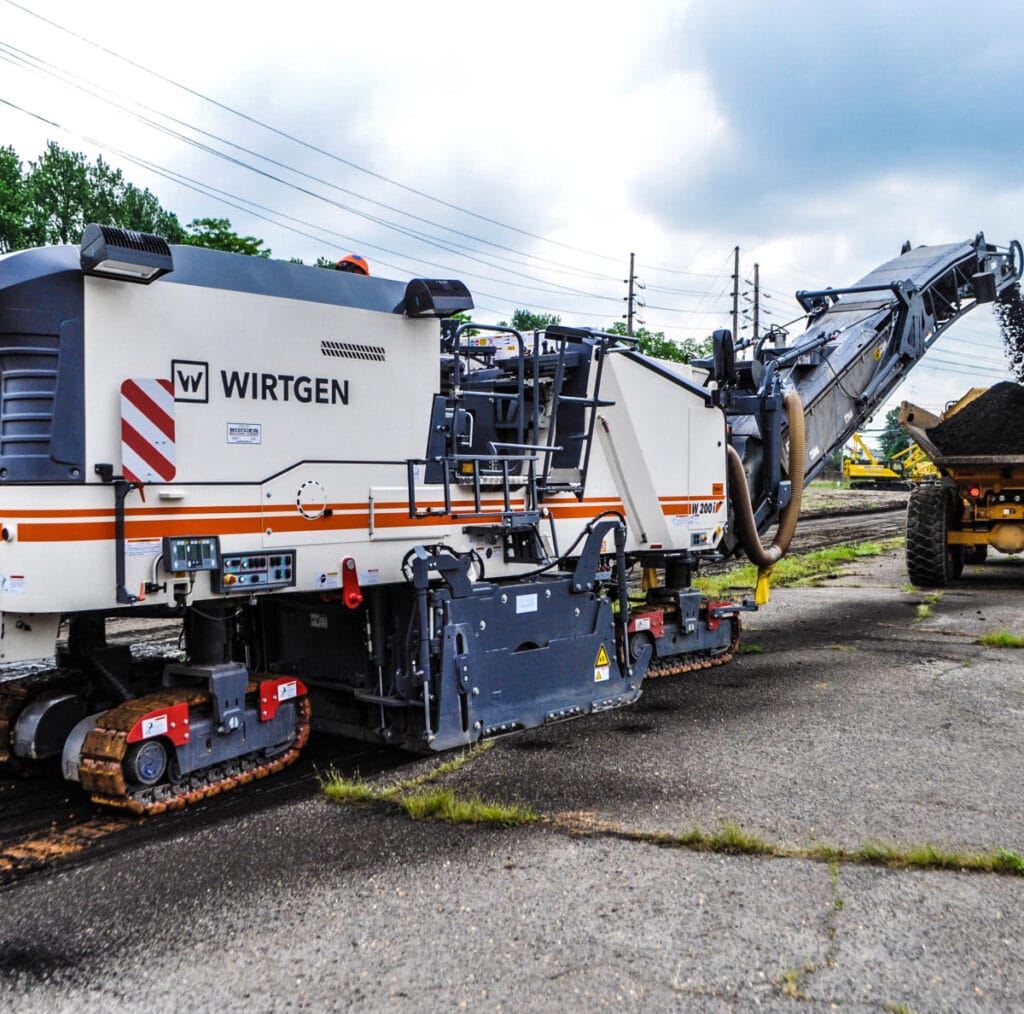
Asphalt milling is a way to fix worn or uneven pavement by removing just the top layers instead of tearing everything out to the dirt. At Precision Asphalt Charlotte, we use heavy milling machines with rotating drums and hardened steel teeth to grind off a set depth of asphalt, usually from 1 inch to 4 inches, depending on how damaged the surface is.
For parking lots, driveways, and streets around Charlotte, milling is often used when the surface is cracked, rutted, or holds water, but the base underneath is still solid. We inspect for soft spots, pumping (where water squirts up through cracks when driven over), and structural failure first. If the base is stable, milling plus a new overlay usually makes more sense and costs less than a full tear out and rebuild.
Milling is also used to adjust height where pavement meets curb, sidewalks, garage entries, and ADA ramps. Many older commercial lots in Charlotte have been paved over several times and are now too high, which causes water to run toward buildings instead of into the drains. By milling down to the right elevation before repaving, we can correct drainage and keep entrances at proper heights without rebuilding everything.
What makes our approach different is that we do not guess on depth. We core sample or cut small test sections when needed, measure the existing pavement thickness, and set the milling machine accordingly. This avoids milling too shallow (which leaves weak material under the new layer) or too deep (which exposes or damages the stone base and drives up costs).
How Asphalt Milling and Reclamation Work, Step by Step
Most projects that involve asphalt milling with Precision Asphalt Charlotte follow a clear sequence so you know what to expect.
First, we walk the site and map problem areas. We look at cracking types, rutting, ponding water, and how the lot or driveway is used. Heavy truck traffic, dumpster pads, and drive lanes get closer attention. For HOA streets and commercial sites in Charlotte, we also note utilities, manholes, catch basins, and any property lines that affect work limits.
Second, if milling is suitable, we decide between standard milling and full-depth reclamation. Standard milling removes a set thickness of asphalt and keeps the existing base. Full-depth reclamation grinds the asphalt together with part of the stone base to create a new stabilized foundation, often mixed with cement or emulsion. Reclamation is used when the base is failing or the pavement has deep alligator cracking across large areas.
Third, we mobilize equipment and set traffic control. On busy Charlotte streets and commercial sites, this can mean temporary lane shifts, flaggers, cones, and clear signage. For apartment complexes and shopping centers, we often phase the work so tenants and customers always have a way in and out.
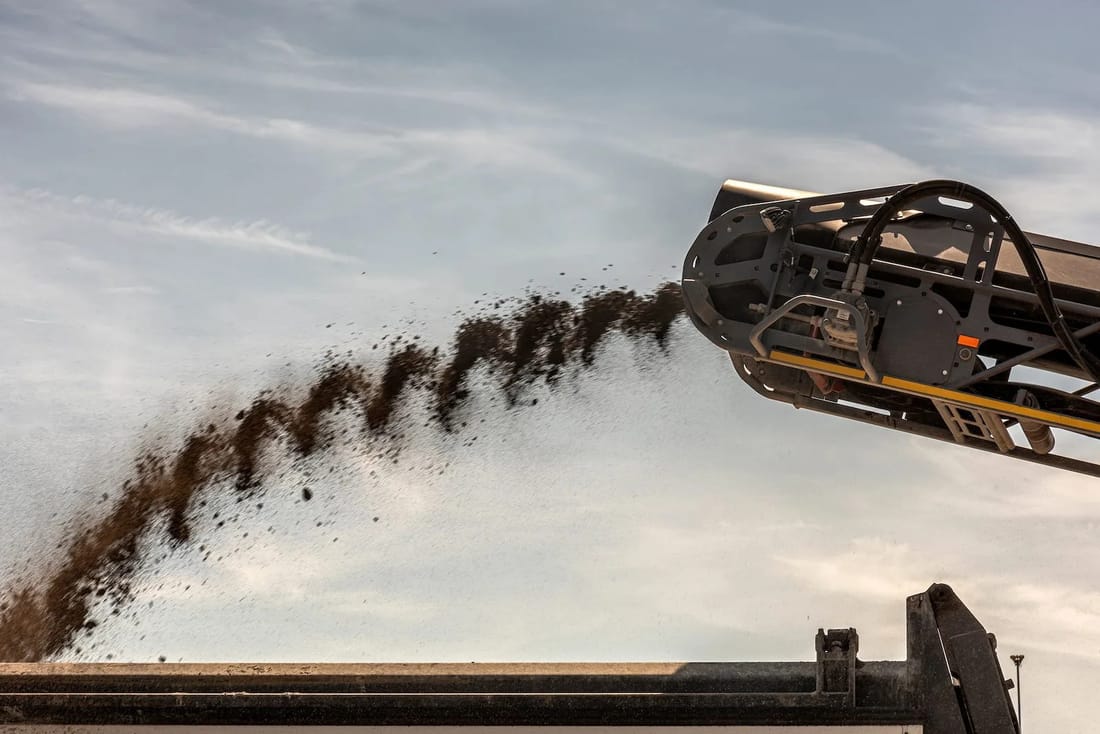
Fourth, the milling or reclamation machine grinds the pavement. The milled asphalt (RAP, or recycled asphalt pavement) is loaded directly into trucks. When doing reclamation, the machine processes the material in place, then we shape and compact it immediately. Our crews adjust depth in real time to match high and low spots and to maintain the drainage plan.
Finally, we sweep the surface clean, tack coat it if it will receive new asphalt, adjust manholes and drainage structures to match the finished grade, and then pave the new asphalt surface. Where we have done full-depth reclamation, we allow proper curing and compaction before the final asphalt is placed. This process gives you a stable, uniform base and a smooth, strong new surface.
Local Conditions, Codes, and Drainage Issues in Charlotte
Charlotte has a mix of red clay and fill soils that do not drain well, which is one reason pavements often fail from the bottom up. At Precision Asphalt Charlotte, we factor this into every milling or reclamation job. If we see pumping, soft subgrade, or clogged edge drains, we address those instead of just putting new asphalt on top of a bad foundation.
City of Charlotte and Mecklenburg County often require attention to stormwater when working on larger parking lots or public streets. If milling changes how water flows, we may need to keep existing drainage patterns or improve them without sending more runoff to neighbors. That can mean milling deeper in certain areas to create positive slope to inlets, or adding small swales along edges. On commercial sites, this can also tie into your existing stormwater plan and inspections.
For HOA streets and private communities, the main issues are often parking access and compliance with any private guidelines. Some HOAs in the Charlotte area set specific rules on pavement color, striping layout, and when work can be done. We coordinate phasing so residents can still get in and out, and we provide clear maps that boards can send to homeowners so everyone knows which sections will be milled and when.
ADA compliance is another local reality. If milling and repaving affects accessible parking stalls, crosswalks, or curb ramps, slopes and transitions must meet ADA guidelines and any city requirements tied to your zoning or building permits. Our crews measure slopes at handicap spaces and travel routes after paving, not just during layout on paper, so you avoid failed inspections and later rework.
Charlotte also sees wide temperature swings. Milling and reclamation are usually scheduled for warmer, drier periods so materials compact and cure correctly. If we are working in cooler shoulder seasons, we adjust production, compaction effort, and sometimes use different asphalt mixes so your project holds up instead of raveling or cracking early.
Cost Factors and Options for Asphalt Milling and Reclamation
The price for asphalt milling or reclamation in Charlotte depends on more than just square footage. Precision Asphalt Charlotte looks at depth of milling, thickness of new asphalt, site access, and the condition of the existing base.
Depth is a major driver. Shallow milling of 1 to 1.5 inches over a sound base is less expensive per square yard than multi-pass milling where 3 to 4 inches must be removed. Full-depth reclamation that churns the asphalt and base together, then stabilizes it, costs more upfront but can save money compared to ripping everything out and hauling it off site.
Access and layout affect cost too. Wide open lots with simple traffic patterns are more efficient to mill than tight courtyards, steep driveways, or sites with many small islands and obstacles. In Charlotte, older shopping centers and office parks often have mature landscaping and raised islands that we must protect, which slows production. We factor that into our planning so there are no surprises once work begins.
Material choices also matter. For reclaimed bases, we may use cement or asphalt emulsion to stabilize the blended material. Cement is often better for weaker subgrades or areas that see heavy truck loading, like service roads and dumpster pads. Emulsion can be better where some flexibility is needed. When we overlay milled surfaces with new asphalt, we can vary the mix design for high traffic drive lanes compared to parking stalls so you are not overpaying for a heavy-duty mix where it is not needed.
Finally, scope decisions influence cost. You might not need to mill or reclaim every square foot. We routinely design projects where only failed or heavily rutted areas get full-depth reclamation, while the rest of the lot is just milled and overlaid. This targeted approach often fits Charlotte businesses and HOAs that need to stretch their budget without kicking the can down the road on serious problems.
What to Watch for When Hiring an Asphalt Milling Contractor
Before you hire anyone for asphalt milling or reclamation in Charlotte, it helps to know what separates a solid job from a quick cover up. Precision Asphalt Charlotte recommends you focus on three things: how they evaluate your base, how they handle drainage, and how they plan traffic and phasing.
Any contractor who quotes milling and overlay without talking about base condition is taking a shortcut. They should be checking for soft areas, looking at the thickness of the existing asphalt, and explaining why milling a certain depth makes sense. Ask how they decide between simple milling and full-depth reclamation, and whether they have done both types of work on similar properties in the Charlotte area.
Drainage is just as important. If your lot currently has standing water, you should hear a clear plan about how milling will change slopes. That might include deeper milling along low spots, re-establishing gutters to drains, or adjusting inlets and manholes to match the new grade. If the contractor cannot explain their drainage plan in plain language, the same problems are likely to come back after the work is done.
Traffic control and phasing are the final piece that affects your daily operations. For busy sites, you want a written plan that shows which areas will be milled on which days, where vehicles can park, and how customers, delivery trucks, or residents will get around work zones. We commonly do work in phases for Charlotte shopping centers, medical offices, and multi-family properties so you do not shut down the whole site at once.
When you talk with Precision Asphalt Charlotte, we walk you through existing conditions, explain whether milling or reclamation fits, and provide a clear scope so you know what you are paying for and what kind of lifespan to expect from the finished pavement.