Home › Private Road and Lane Paving
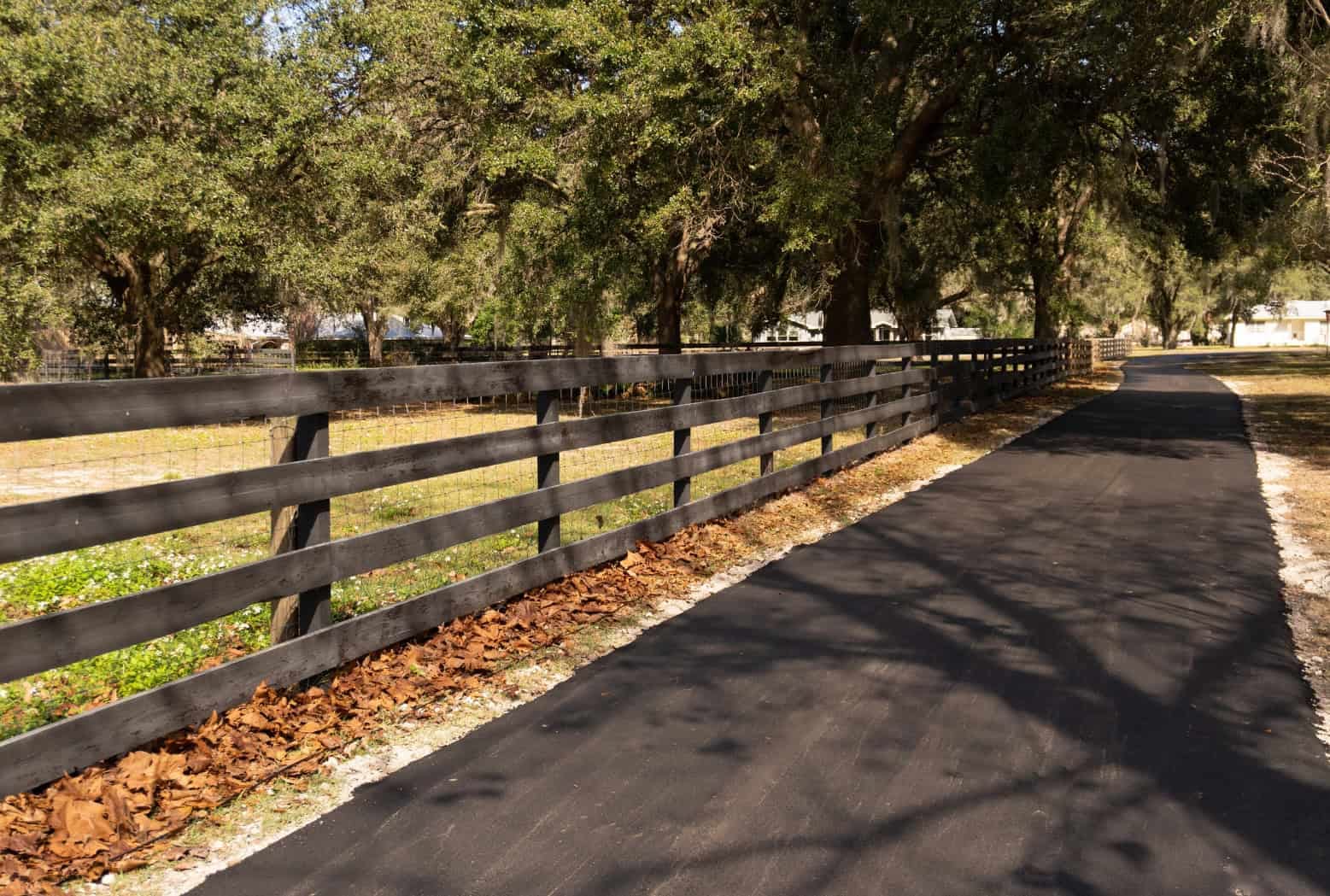
Upgrade rough access with professional private road paving in Charlotte, NC. We design and build asphalt lanes and shared roads that handle cars, delivery trucks, and emergency vehicles. From base preparation to drainage and striping, we create dependable driving surfaces for your property or community.
Precision Asphalt Charlotte provides professional private road paving throughout Charlotte, NC, North Carolina and the surrounding area. Our licensed, insured crew delivers safe, clean, on-time work with a free estimate before anything begins. Call (704) 387-3626 or request your free quote.
Private Road Paving in Charlotte That Holds Up to Real Traffic
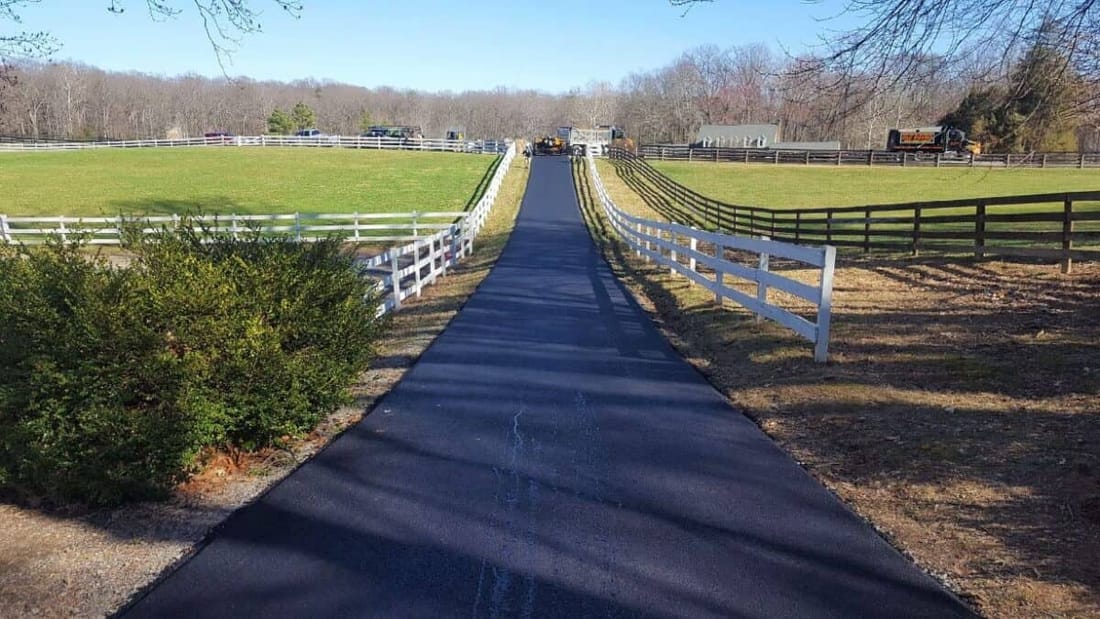
When you own or manage a private road or lane in the Charlotte area, you feel every bump. Delivery trucks rut the surface, summer heat softens weak spots, and heavy rain can turn low areas into muddy hazards. Precision Asphalt Charlotte focuses on private road paving that is built for real daily use, not just a pretty black surface on day one.
Our team starts with how your road is actually used. Is it a shared HOA road with cars and Amazon vans all day, a long country drive carrying horse trailers, or a narrow access lane for service trucks to a commercial site? Each pattern needs a different pavement design, base depth, and drainage plan. We walk the full length of the road with you, look at water flow, soft spots, tree roots, and tight curves, then propose a build that matches your traffic and budget.
Because we work in Charlotte and the surrounding counties every day, we know how our clay soils behave and where they tend to fail. A road that looks fine in January can crumble by August if the base is not right. We combine that local experience with clear explanations, so you understand what you are paying for at each step of your private road paving project.
How We Build a Private Road or Lane That Lasts
A durable private road in Charlotte is mostly about what you do before the asphalt goes down. Precision Asphalt Charlotte follows a step-by-step process that focuses heavily on the foundation.
1. Site evaluation and layout
We verify the road alignment, width, and any turnouts or parking pockets you want. For shared drives or HOA roads, we often stake proposed edges so residents can see where the pavement will land and how it will tie into driveways.
2. Clearing, grubbing, and rough grading
Brush, roots, organic topsoil, and soft material are removed. In our region, that often means cutting out spongy red clay in low spots and replacing it with compactable aggregate. We then rough grade to create a consistent slope so water does not sit on the road.
3. Drainage and crowning
Private roads fail fast if water has nowhere to go. We build a crown in the center of the road so water sheds to the sides, add shallow ditches or swales where needed, and, on steeper drives, we may recommend cross pipes or surface drains. For gravel lanes that already wash out, we analyze the paths where water cuts ruts and adjust slopes before any asphalt is placed.
4. Base installation and compaction
We install a crushed stone base of appropriate depth (typically 4 to 8 inches for most private roads, thicker for heavy truck use). The stone is placed in lifts, then compacted with vibratory rollers. We proof-roll the base, meaning we drive a loaded truck across it and look for deflection or pumping, and correct any weak spots before surfacing.
5. Asphalt paving
For most private roads, we place one or two asphalt lifts. A typical design might be a 2 inch surface course over a 2.5 inch binder course, but we adjust thickness and mix type if you expect larger trucks or RVs. We use state-approved mixes suited for the Charlotte climate, with adequate asphalt binder content so the surface does not ravel under heat and traffic.
6. Joint work, transitions, and edges
We pay close attention to where the new asphalt meets existing public streets, driveways, and culverts. Clean, straight joints prevent early cracking. On uncurbed roads we usually compact the edges and may recommend a small shoulder of gravel to help support the sides of the pavement.
7. Final rolling and cleanup
Steel drum rollers finish the surface, removing minor imperfections. We then clean up dirt piles, stray stone, and debris so your road looks complete and is ready to use once it cools.
Asphalt Choices, Design Options, and Local Considerations
Private road paving is not one size fits all. Precision Asphalt Charlotte helps you pick the combination of width, thickness, and mix type that makes sense for your property.
Road or lane width
For single-lane drives we typically recommend 10 to 12 feet of pavement, with wider sections at passing points if two vehicles often meet. HOA or shared roads can benefit from 16 to 20 feet of width, especially near mailboxes, parking areas, or community amenities.
Pavement structure and mix type
Light residential car traffic can be served by a thinner section, while drives used by garbage trucks, propane deliveries, or construction equipment need heavier-duty designs. We use surface mixes that balance skid resistance with durability, and in shaded or tree-lined lanes we consider how leaf litter and moisture will affect the surface.
Steep or curved drives
In hilly parts of the Charlotte area, steep or tightly curved drives are common. For these, we pay extra attention to traction and water flow. Slightly rougher surface textures can help tires grip, and we adjust cross-slope so water does not flow diagonally across curves, which can create ice patches in winter and slick spots after storms.
Tie-ins to state roads and drainage rules
Where your private road meets a North Carolina state or county road, we take care to match elevations so there is no sharp bump at the entrance. We also consider roadside ditch requirements and culvert sizing, and coordinate with any HOA or municipal guidelines you must follow.
Appearance upgrades
If you want a more finished look, especially in neighborhoods, we can discuss defined shoulders, small transitions into driveways, or a future sealcoat plan. While sealcoating is typically done a year or more after paving, planning for it now can extend the life of your new road significantly in our hot summers and occasional freeze-thaw cycles.
What Affects Cost on a Private Road Paving Project
Two private roads of the same length can have very different prices. Precision Asphalt Charlotte walks you through the real drivers of cost so there are fewer surprises.
Length, width, and thickness
More pavement means more material and labor, so total square footage is a primary factor. Thickness matters too. Every additional inch of asphalt or stone base adds cost, but on weak soils a thicker structure prevents expensive repairs later. We help you balance up-front cost against long-term performance.
Existing conditions
If your current lane is a well-compacted gravel drive, we can often regrade, add stone in soft spots, and pave over it. If the lane holds water, has deep ruts, or was built over topsoil, we may need undercutting and replacement with better material. Tree removal, root issues, and poor access for trucks can also add to the project cost.
Drainage improvements
Culverts, ditch shaping, and additional grading all add labor and equipment time, but they are sometimes the difference between a road that lasts 20 years and one that fails in 3. We are honest about where drainage upgrades are truly needed and where we can keep things simple without risking the pavement.
Access and logistics
Narrow gates, low power lines, and tight turns can limit which trucks we can bring to your property. In some rural Charlotte areas, simply getting materials to the site takes more time. We factor those logistics into your estimate and explain them so you know exactly what is included.
Budget-based options
If you are working with a tight budget, we may phase the work. For example, we might build and compact a proper stone base this year, then return to add asphalt later, or we might pave a narrower lane with strategically placed wider pull-offs instead of a full-width road everywhere.
Common Problems We Solve and How to Get Started
If you already have a private road, you may be dealing with problems that feel familiar: potholes that reopen after every rain, sections that sink under truck tires, or gravel that washes into ditches and yards. Precision Asphalt Charlotte addresses these issues by finding the underlying cause, not by spreading a thin layer of new asphalt over old failures.
For roads that have been patched many times, we may recommend milling or cutting out failed sections, correcting the base, and then installing a new, continuous asphalt surface over the full width. For gravel roads, our crews often reshape the profile, build a crown, add stone in low spots, and compact thoroughly before paving. If tree roots are lifting the surface, we coordinate root removal or barrier installation to slow future damage.
Private roads that serve multiple property owners, like shared drives or HOA streets, come with coordination challenges. We can meet with board members, attend on-site walk-throughs, and provide clear diagrams and phasing plans so residents know where to park and when. For long rural drives, we schedule work to minimize disruption to deliveries, school bus routes, and daily routines.
Getting started is simple. We visit your property, talk through how the road is used, measure and photograph key trouble spots, and then send a detailed written proposal. That proposal spells out base depth, asphalt thickness, drainage work, and any alternates, along with an estimated schedule.
When you are ready, we lock in your dates, confirm any access needs or gate codes, and handle the rest. By focusing on good preparation, the right materials, and realistic designs for Charlotte traffic and weather, Precision Asphalt Charlotte delivers private road paving that feels solid under your tires for years, not just months.