Home › Speed Bumps, Curbs, and Asphalt Accessories
Control traffic and improve safety with speed bump installation in Charlotte, NC. We install asphalt and rubber speed humps, curbing, parking stops, and other asphalt accessories. Properly placed devices help slow vehicles, protect pedestrians, and organize your lots and private drives.
Precision Asphalt Charlotte provides professional speed bump installation throughout Charlotte, NC, North Carolina and the surrounding area. Our licensed, insured crew delivers safe, clean, on-time work with a free estimate before anything begins. Call (704) 387-3626 or request your free quote.
Engineered Speed Bump Installation for Charlotte Properties
At Precision Asphalt Charlotte, speed bump installation is treated as a traffic engineering project, not just a quick paving job. We start with a site walk of your property anywhere in the Charlotte area, from SouthPark communities and University-area apartments to industrial parks along I-85. We measure lane widths, turning radiuses, slopes, and drainage paths so the speed bumps slow vehicles without creating water problems or damage to low-clearance vehicles.
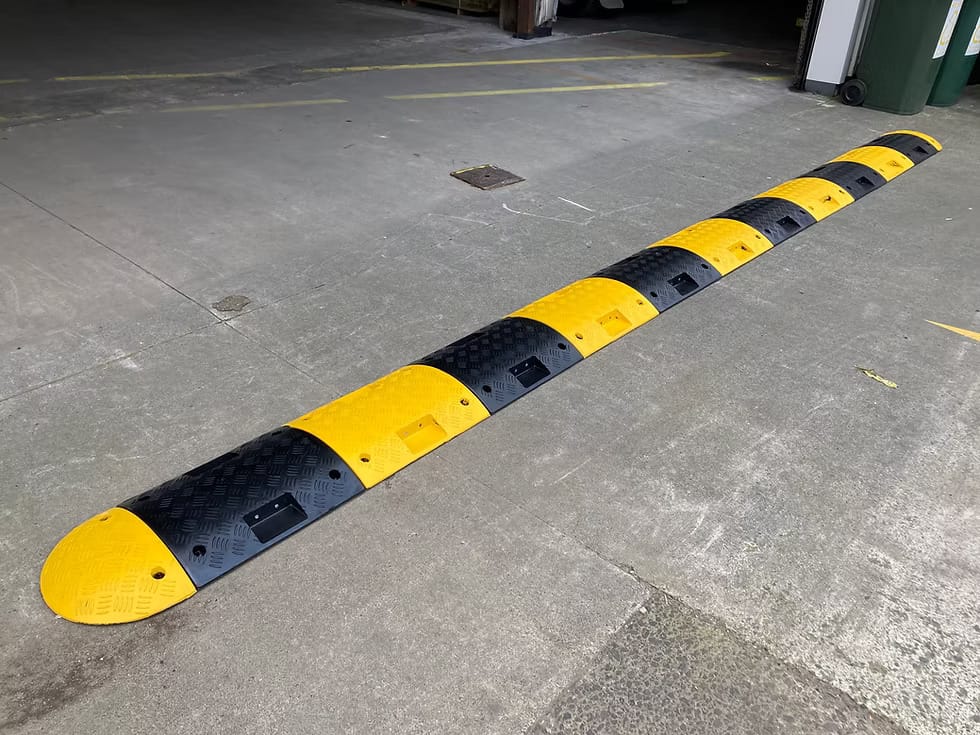
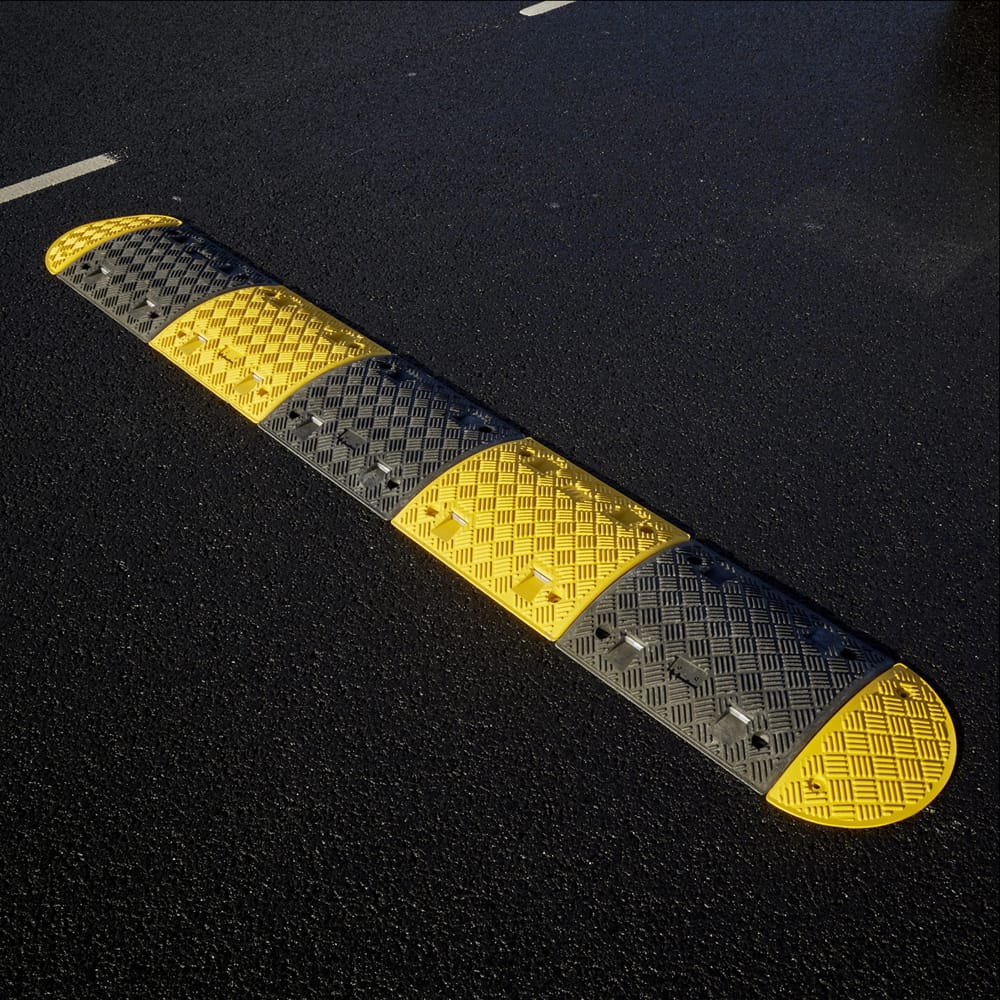
We help you select the right type: asphalt speed humps for residential and HOA streets, shorter, more aggressive bumps for alleys and loading areas, or modular bolt-down units where you might need to adjust locations later. For private roads and parking lots, we design spacing based on your target speed, typical traffic volume, and mix of vehicles, such as delivery trucks, school traffic, and emergency access.
Every speed bump layout is marked with paint before work starts so you can see exact locations. We coordinate with you to avoid blocking peak customer or resident traffic, often scheduling off-hours or phased sections on busier Charlotte retail sites. Our goal is predictable speed control without unsafe surprise obstacles for your drivers.
How We Build Long-Lasting Asphalt Speed Bumps and Humps
A durable speed bump starts from the surface below it. Precision Asphalt Charlotte begins by cleaning and saw cutting the existing asphalt where needed. For overlays, we mill or grind the surface to create a mechanical bond that keeps the new material locked in place. If the existing pavement is cracked or alligatored, we repair that first so the new bump does not mirror those failures.
We use hot-mix asphalt from local Charlotte plants, selected for the use case. For high-traffic commercial entrances or grocery store lots, we specify mixes with higher stability and resistance to shove and rutting. The material is placed to a controlled height, usually between 3 and 4 inches for humps and 2 to 3 inches for sharper bumps, with tapered approaches of 3 to 6 feet depending on posted speeds and the presence of speed-sensitive vehicles such as buses.
Our crew shapes the profile by hand and steel lute, then compacts with plate compactors and small rollers so there are no loose edges or air pockets. We feather the tie-in to the existing asphalt to prevent harsh jolts and to keep snowplow blades and parking lot sweepers from catching the bump. After compaction, we allow a set period before striping or opening to traffic, which is critical in North Carolina’s summer heat so the new work is not deformed by early traffic.
Curbs, Wheel Stops, and Edge Control That Protect Your Pavement
Speed control only works well when vehicles stay where they are supposed to be. That is why Precision Asphalt Charlotte also designs and installs curbs, wheel stops, and other edge controls that complement your speed bump installation.
For asphalt and concrete curbs, we assess how the curb will be used. In older Charlotte shopping centers where trucks frequently clip corners, we often recommend cast-in-place concrete curbs with steel-reinforced footings to resist impact. In residential communities or townhome complexes, asphalt curbing may be sufficient and more economical, especially when installed along existing drives to control runoff and define parking rows.
Wheel stops (parking bumpers) are laid out according to stall size and vehicle mix. We drill and pin them into the pavement using rebar or specialty anchors, and seal around the pins to reduce water intrusion that can start pavement failures. We also consider snow removal patterns, trash pickup routes, and pedestrian paths so curbs and stops improve safety without becoming tripping hazards or maintenance headaches.
Properly designed curbs and edges also manage water. Charlotte’s heavy summer storms can wash out pavement edges if water is allowed to sheet off uncontrolled. By directing flow to catch basins and swales, we help reduce edge cracking and potholes that shorten the life of your parking lot.
Markings, Signage, and Visibility for Night and Rain
A speed bump that drivers cannot see is a liability. After the asphalt work cures, Precision Asphalt Charlotte adds striping and signage designed specifically for local conditions, including frequent afternoon thunderstorms and night traffic in busy retail corridors.
We use high-visibility traffic paint, thermoplastic, or preformed markings depending on your budget and expected traffic. Speed bumps are typically striped with diagonal or chevron patterns in reflective yellow or white, with end caps clearly defined so drivers approaching at an angle still have visual cues. For multi-lane drive aisles, we add supplemental pavement legends such as SLOW or SPEED HUMP AHEAD at distances that match your approach speeds.
Sign posts and panels are installed to MUTCD standards for height and offset where required, even on private property, because emergency responders and delivery drivers rely on consistent expectations. In areas with poor lighting, such as the rear of industrial buildings or apartment overflow lots, we often recommend reflective raised pavement markers along the bump edges to give a clear outline in headlights and during heavy rain.
If you manage a school, daycare, or church campus in Charlotte, we can integrate speed bump markings with crosswalks, loading zones, and ADA routes so the entire circulation pattern is easy to understand at a glance.
Costs, Timelines, and What Drives Your Price
Property owners in Charlotte often ask why quotes for speed bump installation and related accessories can vary. Precision Asphalt Charlotte provides detailed estimates that break out the factors affecting your price so you can make informed decisions.
Key drivers include the number and length of speed bumps or humps, site access, condition of existing pavement, and whether additional work such as milling or base repair is required. For example, installing several bumps along a straight, open private drive in Huntersville is more economical per unit than building the same number in a tight Uptown parking deck with limited working space and more handwork.
Material choices also affect cost. Cast-in-place concrete curbs and thermoplastic markings cost more up front than asphalt curbs and traffic paint, but they often provide lower lifecycle cost for high-traffic retail and medical campuses. Conversely, modular rubber or plastic speed bumps can reduce initial cost and allow relocation, but may require more frequent fastening checks and replacement in heavy truck areas.
We clearly state mobilization fees, traffic control needs, and phasing plans so you know how we will keep your business open or your residents moving while we work. Most small commercial lots can be completed in a day or two with minimal disruption, while larger HOA road systems may be phased over several days to keep emergency access available at all times.
Local Codes, HOAs, and Safety Considerations in Charlotte
Installing speed bumps and curbs in the Charlotte region is not just a construction decision, it is also a regulatory and community relations issue. Precision Asphalt Charlotte helps you navigate these concerns before work begins.
On public streets within the City of Charlotte or Mecklenburg County systems, speed bump installation is governed by local ordinances, traffic studies, and approval processes. For work on private roads in subdivisions, townhome complexes, or business parks, HOAs or property associations typically set the rules. We can provide scaled drawings, profiles, and written descriptions of the planned work for HOA boards or property committees to review.
We design with emergency access in mind, following recommended profiles that allow fire trucks and ambulances to cross without severe impact, while still controlling private vehicle speeds. In communities with older residents or significant pedestrian traffic, we often suggest longer, gentler humps paired with narrowed lanes and clear crosswalks instead of overly aggressive bumps that can cause discomfort or damage.
Liability is another consideration. Poorly placed or unmarked speed bumps can increase your risk exposure. By using consistent heights, smooth tapers, good drainage, and proper marking and signage, we help you reduce that risk while showing that you have taken reasonable steps to protect people on your property.
Maintenance, Repairs, and Upgrades for Existing Installations
Many properties in Charlotte already have speed bumps, curbs, and wheel stops that were installed years ago and are now cracked, crumbling, or poorly marked. Precision Asphalt Charlotte evaluates whether to repair, resurface, or remove and replace these features based on condition and how traffic patterns may have changed.
For asphalt bumps that are structurally sound but worn, we can reshape with a thin overlay, compact, then re-stripe, which is often more economical than full replacement. Where tree roots or settling have distorted the profile, we may saw cut and remove sections before rebuilding to restore a smooth, predictable crossing. If drainage has changed due to nearby redevelopment, we adjust elevations and tie-ins so water does not pond against the bump or curb.
Concrete curbs with isolated chips or cracks can often be patched, while sections with repeated vehicle impact or heaving may need to be replaced in segments. We can upgrade older, low-visibility wheel stops with new units installed at proper spacing, then remove and patch the old anchor holes to avoid trip points.
We also offer maintenance plans where we periodically check your speed control features, markings, and signage. This can be especially valuable for busy retail centers, medical facilities, and multifamily properties in Charlotte, where constant turnover of drivers makes clear, well maintained traffic calming elements essential for safety.