Home › Gravel-to-Asphalt Conversions
Tired of dust, mud, and ruts from a gravel drive Get a gravel to asphalt driveway conversion in Charlotte, NC. We grade and compact your base, then install a smooth asphalt surface that is easier to maintain and much cleaner to drive and walk on year round.
Precision Asphalt Charlotte provides professional gravel to asphalt driveway throughout Charlotte, NC, North Carolina and the surrounding area. Our licensed, insured crew delivers safe, clean, on-time work with a free estimate before anything begins. Call (704) 387-3626 or request your free quote.
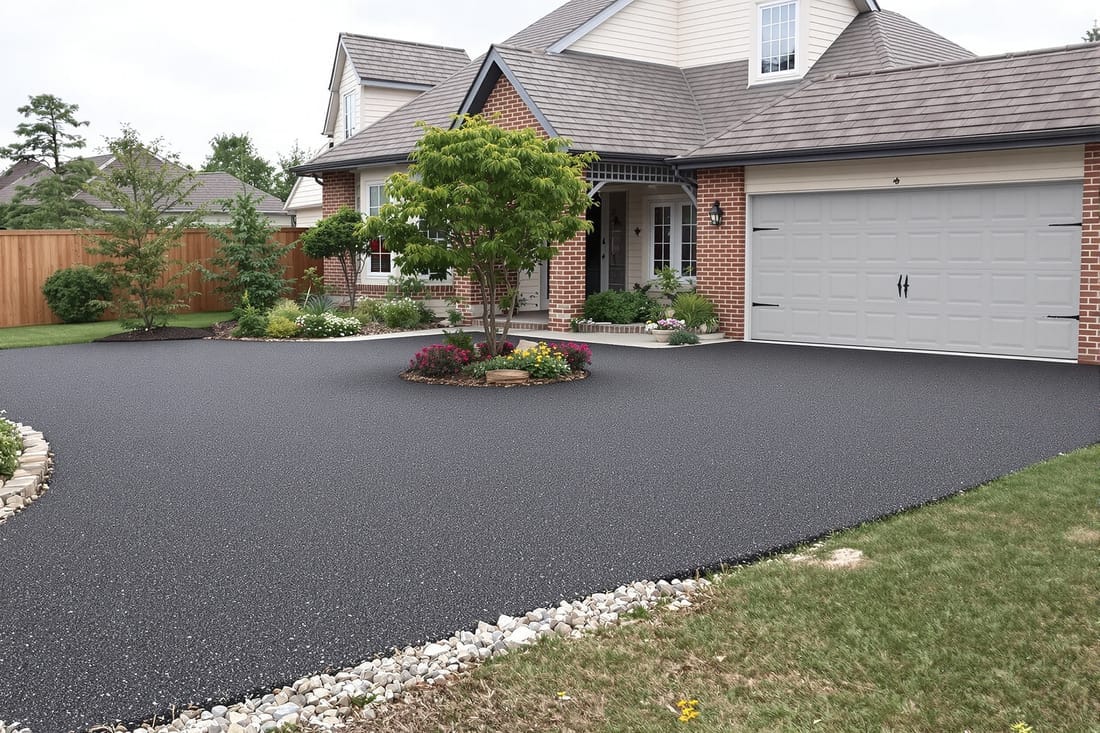
Turn That Dusty Gravel Driveway Into Smooth Asphalt
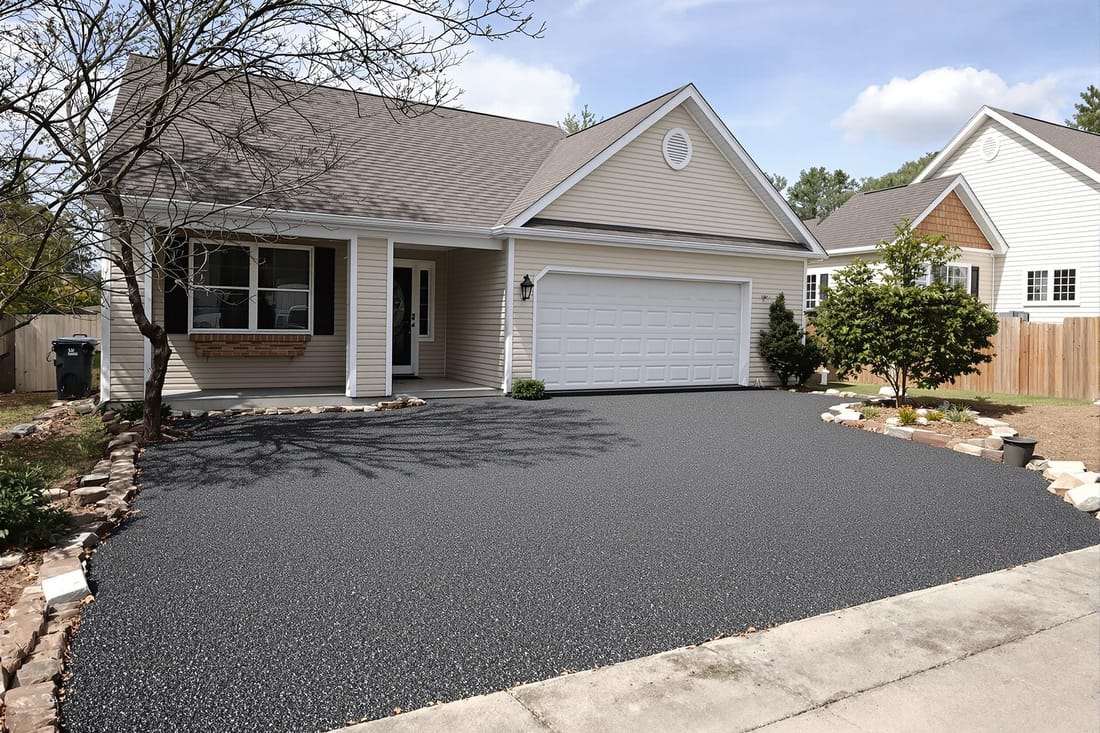
If you are tired of dust, ruts, and loose stone every time you pull into your driveway, a gravel to asphalt driveway conversion can be a big quality of life upgrade. At Precision Asphalt Charlotte, we specialize in taking existing gravel drives in and around Charlotte, NC and turning them into clean, solid asphalt surfaces that hold up to local traffic and weather.
A good conversion is more than just paving over the stone you already have. We look at how water moves on your property, the thickness and condition of the existing gravel, and how you use the driveway every day. Do you park work trucks on it? Do you have a tight turn near the garage? Does rain from your neighbor’s yard run across your drive during summer storms? These details shape how we design and build the new asphalt surface so it performs well instead of cracking and sinking.
Charlotte’s clay-heavy soils and strong summer thunderstorms create special challenges for driveways. Clay expands and contracts with moisture, and heavy rain can quickly wash out poorly prepared bases. Precision Asphalt Charlotte plans gravel to asphalt driveway projects around these realities, using a combination of grading, compaction, and drainage improvements so your new drive stays smooth instead of turning into a wavy mess in a year or two.
How Our Gravel-to-Asphalt Conversion Process Works
Our process is hands-on and site specific, but every gravel to asphalt driveway project in Charlotte follows a clear sequence so you know what to expect.
1. Site visit and evaluation
We walk the entire driveway with you, check the depth of existing gravel, locate soft spots, and look for drainage issues. We measure slope and note any areas where water currently pools or runs across the drive. If you are thinking about widening or changing the layout, this is when we discuss those options.
2. Layout changes, widening, and edge planning
Converting from gravel is the perfect time to fix tight turns or narrow sections that are hard to use. We can widen areas where you like to park, adjust the curve so trailers are easier to back in, or pull the drive farther from trees that drop roots and debris. We also plan where the asphalt will end and what will support the edges, such as soil backfill, concrete borders, or stone shoulders.
3. Subgrade preparation
We do not just pave directly on loose gravel. First we strip off unstable material, then proof-roll with a heavy roller or truck to find soft spots. Any pumping or yielding areas are dug out and replaced with better base stone. On our local red clay soils, this step is critical. Skipping it is one of the most common reasons cheap driveway jobs fail.
4. Grading and base construction
We shape the drive for proper crown or slope so water sheds quickly. In Charlotte, we usually design at least a 2 percent slope so standing water does not degrade the asphalt. We then install and compact additional stone base if needed, matching the thickness to how the drive will be used. A homeowner driveway might get a different base build-up than one that sees loaded work trucks.
5. Asphalt paving and compaction
After tack coating any existing stable surfaces, we place hot mix asphalt in one or two lifts depending on design. For most residential gravel to asphalt driveway conversions in North Carolina, we recommend at least 2 inches of compacted surface course, with more thickness at high stress areas like near garages or at road tie-ins. Our crew uses steel drum and plate compactors to achieve proper density and a smooth finish.
6. Final rolling, edges, and cleanup
We finish-roll the surface, dress and compact the shoulders, and clean up loose stone and construction debris. Before we leave, we walk the driveway with you so you understand cure time, when to park on it, and how to avoid early damage while the asphalt is still new.
Design Options for Your New Asphalt Driveway
Converting from gravel gives you a chance to customize the look and function of your driveway instead of just copying what was there. Precision Asphalt Charlotte helps you think through options so your finished driveway matches the way you actually live.
Layout and width choices
Many Charlotte homeowners choose to widen their gravel to asphalt driveway conversion in front of the garage to create a small parking pad. Others add a turn-around so they can pull out into the street forward instead of backing onto busy roads. If you regularly receive deliveries or have a boat or camper, we can plan a better turning radius or a reinforced parking area on the side.
Thickness and mix type
Not every driveway needs highway-level asphalt, but it does need to be matched to use. For light residential use, a standard surface mix works well. For driveways that see heavy work trucks, RVs, or frequent trailer use, we may recommend a thicker asphalt section or a stronger base. We explain these options in plain language, including what they cost and why they matter.
Edges and transitions
Gravel driveways tend to blend gradually into the yard, but asphalt has a defined edge. To prevent edges from cracking or breaking off, we can taper and compact soil or stone up to the sides, or install concrete or stone borders where a more finished look is desired. We also pay careful attention to the transition where your driveway meets the public street, since that joint takes a lot of stress from turning vehicles.
Drainage features
If your existing gravel driveway washes out, ruts, or collects mud, we address that during the conversion. Solutions might include adding shallow swales to direct water, installing a small catch basin and drain line, or adjusting the profile of the driveway so water flows away from your garage and home. Our goal is to have water move off the asphalt quickly so it does not shorten the life of your new surface.
Costs, Timing, and Charlotte-Specific Considerations
Every gravel to asphalt driveway project is unique, but there are some consistent factors that drive cost and scheduling in the Charlotte area.
What affects price
Key cost drivers include the size and length of the driveway, how much base repair or replacement is required, whether we are reshaping the layout, and the total asphalt thickness. Long rural drives can be more cost effective per square foot than small, tight town lots because the crew can work more efficiently, but narrow access or steep slopes can add complexity.
If your existing gravel base is thin, full of mud, or has poor drainage, we will need to invest more in excavation and new stone. While that increases the upfront price, it prevents premature cracking and rutting that can cost much more to fix later. We always walk you through options so you can see where money is being spent and what has the biggest impact on longevity.
Weather and timing in Charlotte
Our local climate shapes when and how we pave. Asphalt needs proper temperatures to compact and bond correctly. In Charlotte, the main paving season is typically spring through early fall, although mild winter stretches sometimes allow smaller jobs. Heavy summer thunderstorms are common, so we watch the radar closely and do not place asphalt if a downpour is likely.
For most standard residential gravel to asphalt driveway conversions, active work usually takes one to three days on site, depending on length and how much base work is needed. We may schedule base preparation and paving on separate days to avoid rain risk and ensure proper compaction. After paving, you can usually walk on the surface the same day, but we often recommend waiting 24 to 48 hours before parking vehicles, especially in hot weather.
Local permitting and HOA expectations
Most single family driveway conversions in Charlotte do not require complex permitting, but certain neighborhoods and HOAs have rules about driveway width, appearance, and where you can add parking pads. Precision Asphalt Charlotte can help you interpret those guidelines and, when requested, provide simple sketches or descriptions you can submit for HOA review before we start.
What To Know Before You Hire a Gravel-to-Asphalt Contractor
Choosing the right contractor for a gravel to asphalt driveway conversion matters more than most people realize. A clean black surface on day one does not tell you anything about what is underneath, and that is where most failures start.
Questions to ask any contractor
Ask how they evaluate the existing gravel base, how they deal with soft spots, and what minimum compacted asphalt thickness they use for driveways like yours. Request that they explain their approach to drainage in plain terms. If they plan to simply pave over the existing stone without talking about base strength or water flow, that is a red flag.
Specifications in writing
A detailed written proposal should spell out the approximate square footage, base work, asphalt thickness, and any drainage or grading changes. At Precision Asphalt Charlotte, we describe the structure of the driveway, not just the finish appearance. That way you can compare our plan to other bids on more than just price.
Common problems and how we prevent them
Typical issues with poorly done conversions include reflective cracking where old ruts were not properly corrected, edge cracking where there is no support, standing water on flat sections, and depressions where vehicles sit every day. We address these by correcting the base, building in proper slope, and reinforcing high stress areas during construction. Before we leave, we also give you simple care tips, such as avoiding sharp turning of steering wheels while stopped and keeping heavy equipment off the driveway for the first few weeks.
If you are ready to turn your dusty or muddy gravel drive into a cleaner, easier to maintain asphalt surface, Precision Asphalt Charlotte can walk you through the options and timing specific to your property. A short on-site visit is usually all it takes for us to give you clear recommendations and a straightforward price for your gravel to asphalt driveway conversion.