Home › Commercial Gravel-to-Asphalt Conversions
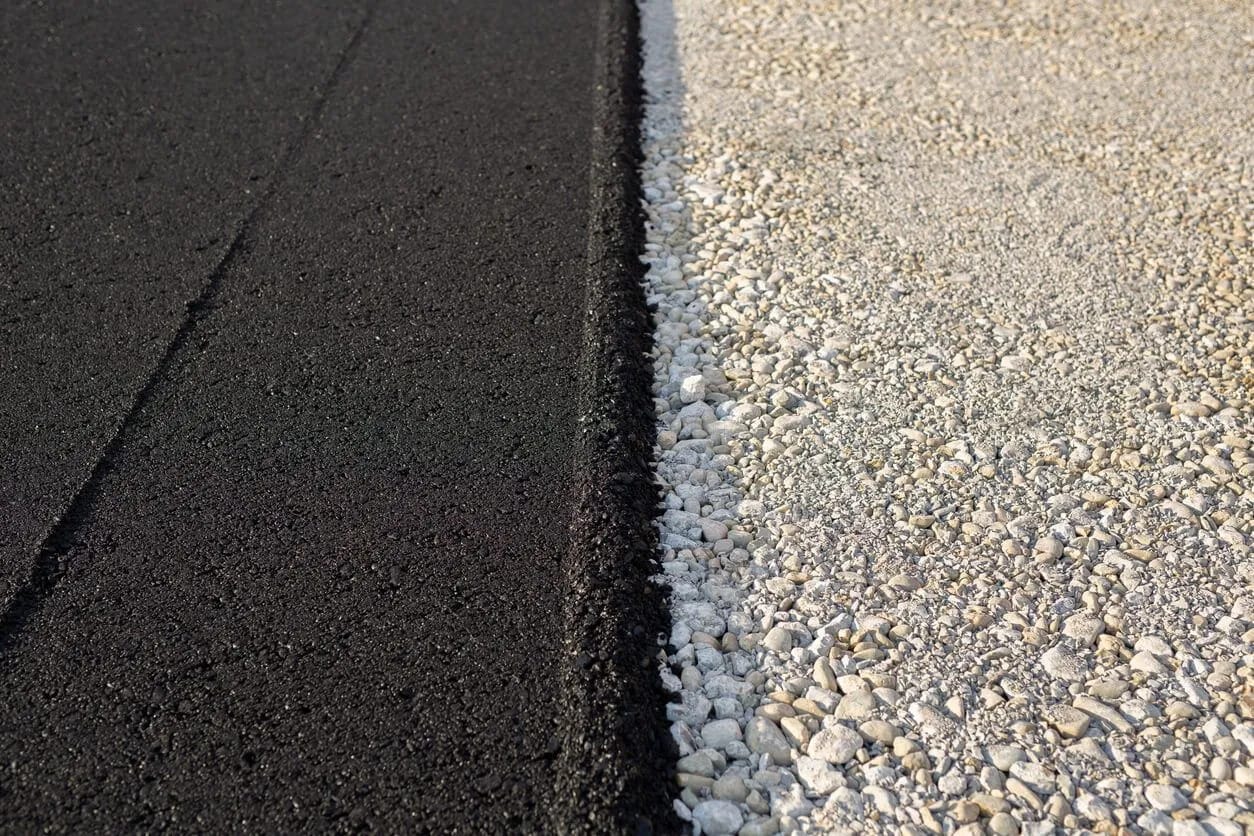
Turn rough gravel into clean, professional pavement with commercial gravel to asphalt conversions in Charlotte, NC. We grade, compact, and stabilize your existing surface, then install durable asphalt for lots and access roads. The result is less dust, better drainage, and easier maintenance for your site.
Precision Asphalt Charlotte provides professional commercial gravel to asphalt throughout Charlotte, NC, North Carolina and the surrounding area. Our licensed, insured crew delivers safe, clean, on-time work with a free estimate before anything begins. Call (704) 387-3626 or request your free quote.
Turn Gravel Lots Into Durable Asphalt Surfaces in Charlotte
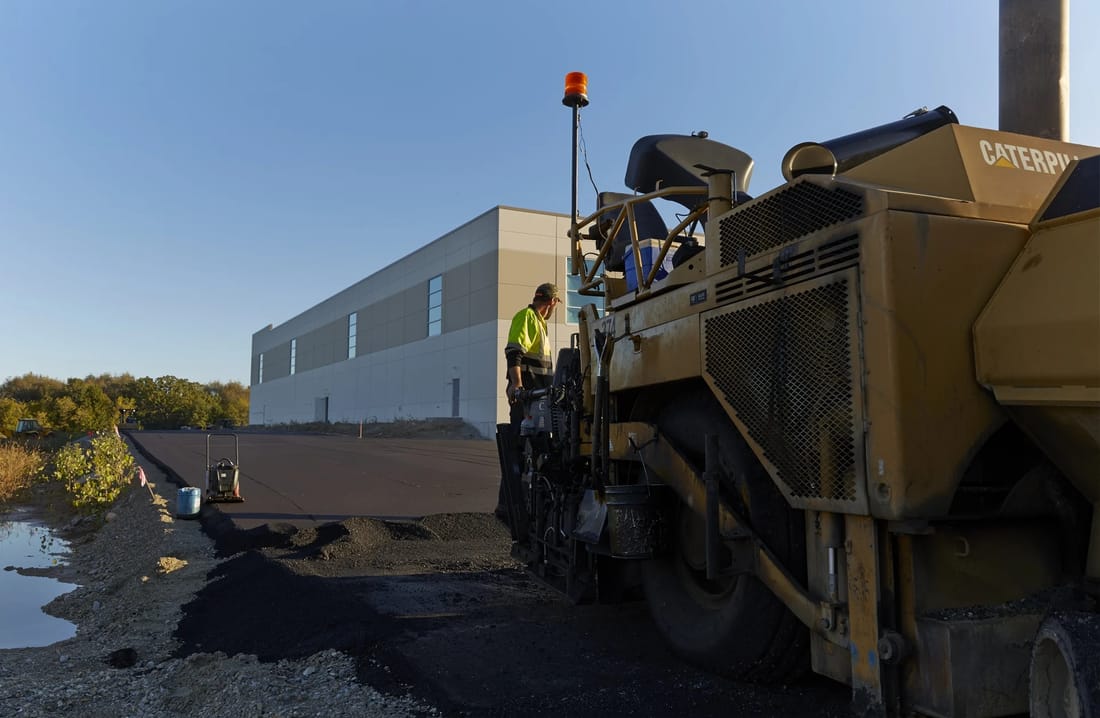
If your commercial property in Charlotte still has gravel parking or drive areas, you already know the headaches: dust on cars and storefronts, ruts after every storm, mud tracked into buildings, and constant regrading bills. Precision Asphalt Charlotte focuses on converting those high‑maintenance gravel surfaces into clean, long‑lasting asphalt that looks professional and stands up to heavy traffic.
Commercial gravel to asphalt projects are not just about putting blacktop over stone. They are about drainage engineering, base correction, and matching the asphalt design to how your site is actually used. Our crews routinely convert gravel lots at retail centers, office parks, industrial yards, churches, and multifamily communities throughout Charlotte and the surrounding counties.
We evaluate how delivery trucks move, where customers park, how water flows during a storm, and how your entrances tie into city streets. This careful upfront planning is what keeps your new asphalt surface from cracking, ponding water, or raveling apart a few years after installation.
Site Evaluation and Planning Specific to Charlotte Properties
Every successful gravel to asphalt conversion in Charlotte starts with a detailed site evaluation. At Precision Asphalt Charlotte, a project manager walks the entire area with you, not just a quick drive‑by estimate.
We look at:
• Existing gravel depth and consistency, to decide whether it can become part of the structural base or needs to be removed.
• Soft spots that stay wet or pump under traffic, common in older lots near creeks or low areas around Charlotte.
• Drainage paths and low spots that collect water after our typical summer downpours.
• Traffic patterns, including where heavy box trucks, dumpsters, and delivery vehicles travel or turn.
• Tie‑ins to NCDOT or city‑maintained roads, sidewalks, and ADA routes.
From there we recommend practical options that fit your budget and timeline. Sometimes the existing gravel can be reclaimed and stabilized. In other cases, especially in older mill or warehouse sites, we may suggest undercutting poor soils and rebuilding the base. We also review whether you need layout updates like one‑way aisles, better truck swing radii, or reconfigured loading zones to reduce future pavement damage.
Because Charlotte sits on a mix of clay subgrades and rock, getting the base design right is critical. We use our local experience with this soil profile to adjust thicknesses and material choices so your new asphalt does not prematurely rut or alligator crack.
Gravel Reclamation, Base Prep, and Drainage Corrections
A commercial gravel to asphalt conversion usually begins with reclaiming and reshaping the existing stone. Precision Asphalt Charlotte uses grading equipment and, when suitable, reclaimers or compactors to blend and densify the existing gravel instead of just paving over a loose surface.
Typical steps include:
1. Strip and clean: We scrape away vegetation, pockets of mud, and any contaminated areas, such as spots where oil or fuel has soaked in around loading zones.
2. Proof‑roll: Heavy rollers or loaded trucks are driven over the area to expose soft zones. When we see rutting or pumping, we mark those for undercut.
3. Undercut and replacement: Weak sections are excavated to a specified depth. We then install compacted stone (often ABC stone) or a combination of stone and stabilization fabric, depending on soil conditions.
4. Grading and slopes: Using laser or GPS‑controlled grading, we set cross‑slope so water sheds to inlets, swales, or edges. In Charlotte’s heavy rain events, even a small flat area can hold water long enough to damage asphalt, so slope design is not optional.
5. Compaction: The stone base is compacted in multiple passes using vibratory rollers to reach required density. We test and visually confirm that the surface does not rut under loaded passes.
If existing drainage structures are too low, high, or damaged, we adjust or replace them at this stage. It is common in older Charlotte gravel lots to find collapsed metal culverts or buried inlets. We correct these before paving, which prevents future ponding, edge failures, and freeze‑thaw damage.
Choosing the Right Asphalt Structure and Mix for Your Use
Not every commercial gravel to asphalt project gets the same asphalt section. Precision Asphalt Charlotte selects pavement thicknesses and mix designs based on how your site is actually used.
Key decisions include:
• Overall asphalt thickness: Light‑duty car parking may only require 3 to 4 inches of asphalt over a solid base. Truck courts, fire lanes, and dumpster pads often need 5 to 7 inches or a combination of asphalt over reinforced stone.
• Layering: We frequently install a binder course (a stronger intermediate layer) topped with a finer surface course. The binder handles structural loads and the surface course provides a smooth, tight finish.
• Mix types: For busy commercial sites we favor mixes that resist rutting under summer heat, since Charlotte surfaces can exceed 140°F. Around loading docks and turning radii we may specify heavier duty designs or thicker sections because those areas see the most stress.
• Reinforced or concrete transitions: Where truck tires scrub, such as at dumpster pads or dock aprons, we might recommend integrating concrete or thickened asphalt areas to protect the rest of the pavement.
We explain these options clearly, including the cost and life‑cycle impact of each. Many property owners choose to invest a little more in the heaviest‑used sections, like entrances from public roads and truck routes, while keeping standard sections in low‑stress parking rows to stay within budget without sacrificing long‑term performance.
What Drives Cost in a Gravel to Asphalt Conversion
Two gravel lots in Charlotte can look similar but have very different costs to convert to asphalt. Precision Asphalt Charlotte walks you through the variables so you can anticipate where the budget may move.
Main cost factors include:
• Base condition: If the existing gravel is deep, well compacted, and drains properly, we can often reuse much of it and keep costs moderate. If we find extensive soft subgrade, standing water, or very thin gravel, more undercut and stone will be needed.
• Site drainage upgrades: Adding or relocating inlets, installing underdrain, or reworking ditches increases upfront cost, but it is usually far cheaper than repairing failed pavement a few years later.
• Asphalt thickness and area: More square footage and thicker asphalt directly increase material and labor. Truck lanes, loading courts, and bus routes always cost more per square foot than car‑only parking rows.
• Access and phasing: If we must keep parts of the lot open for customers or tenants, we will phase work, which can extend crew time and slightly increase costs. Night or weekend work can also be arranged when necessary.
• Permits and compliance: Some conversions, especially expansions, may trigger City of Charlotte stormwater or zoning reviews, updated striping layouts, and ADA upgrades.
We provide itemized proposals, not lump‑sum numbers with no explanation. That transparency lets you adjust scope, such as breaking the project into phases over two budget years or prioritizing problem areas first.
Common Problems We Solve During Conversions
Older gravel lots in Charlotte often hide issues that only show up once work begins. Precision Asphalt Charlotte is used to uncovering and solving these problems without bringing your operation to a halt.
Typical challenges and solutions include:
• Chronic mud holes and spring spots: These usually indicate saturated clay or old fill. We undercut to firm material, install geotextile fabric where appropriate, then rebuild with compacted stone to spread loads and cut off water.
• Poor or missing drainage paths: We reshape grades so water reaches a discharge point instead of sitting in the middle of your new asphalt. That might mean cutting a new swale, raising or lowering a structure, or adding a valley grade.
• Utility conflicts: Shallow water lines, communication conduits, or septic components sometimes pass under gravel drives. We coordinate with utilities, adjust base thickness locally, or use protective measures while still achieving structural performance.
• Keeping businesses open: For shopping centers and medical offices, we phase work so there is always a way in and out. Temporary gravel ramps, clear signage, and coordination with tenants minimize disruption.
Because we work in Charlotte daily, we are familiar with local inspectors, stormwater expectations, and typical utility layouts. That local experience often shortens project timelines and helps avoid costly rework during a conversion.
What to Expect When You Hire Precision Asphalt Charlotte
Commercial gravel to asphalt conversions are significant projects, but they do not have to be disruptive or unpredictable. Precision Asphalt Charlotte provides a straightforward process so you always know what is happening on your property.
Our typical workflow:
1. Consultation and site walk: We meet on site, measure the area, review drainage and traffic, and discuss your priorities and schedule constraints.
2. Proposal and phasing plan: You receive an itemized scope that details base work, drainage corrections, asphalt structure, striping, and any add‑alternates such as lighting base pads or concrete pads.
3. Pre‑construction coordination: For active properties, we coordinate with your tenants or facility team, establish work zones, and set a schedule that fits your peak hours.
4. Construction: We complete grading, base work, and paving in sequence, keeping you updated daily on progress and any field adjustments needed.
5. Striping and final touches: Once asphalt has cooled and cured appropriately, we apply layout, striping, and markings that meet ADA and fire lane requirements. We can also install wheel stops and signage if needed.
6. Turnover and maintenance guidance: We walk the finished project with you, explain curing recommendations, and provide a maintenance plan that includes sealcoating and crack sealing timelines.
Property managers and owners across Charlotte choose Precision Asphalt Charlotte because we focus specifically on how to turn difficult gravel areas into reliable, low‑maintenance pavement. If you are ready to replace dust and ruts with a clean, well‑drained asphalt surface, we can provide a plan, schedule, and budget tailored to your site.